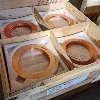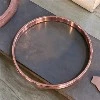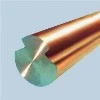
Dimensional Matching: Measure the welding wheel diameter, center bore diameter, and rim width according to your specific welding machine model. For instance, on a typical medium-frequency seam welding machine, the welding wheel diameter is approximately 130 mm; you must also verify whether the mounting interface uses a parallel key connection or a tapered locking mechanism.
Cooling System Inspection: Ensure that the welding wheel is equipped with internal circulating water cooling channels (some wheels may require additional water-cooling fittings). The circulating water flow rate should be maintained at 10–15 L/min to prevent the wheel from overheating, which could lead to material softening and premature failure. Note: Failure to replace the cooling water regularly can result in scale buildup, which may clog the channels and cause the welding wheel to burn out; therefore, periodic cleaning is essential.
Installation and Commissioning: Before installation, use a dial indicator to check the radial runout of the welding wheel; this should be kept within 0.05 mm, as exceeding this limit will result in discontinuous welds. Once installed, apply the welding pressure in 2–3 stages-gradually increasing it from an initial 100 kgf to the target process value-while monitoring the formation of the weld seam.