1. Standards for the Service Life of Railway Contact Wires
In my country's electrified railway system, it is explicitly stipulated that the maximum allowable wear for overhead contact wires is 33%; once this limit is reached, the wire must be replaced. Based on this standard:
- Domestically produced overhead contact wires: Designed for a service life of 15 years, though they may last slightly longer in actual operation.
- Imported contact wires: Can achieve a service life of up to 20 years.
2. Key Factors Affecting Service Life
Actual service life is heavily influenced by operating conditions. The primary causes of wear are mechanical friction from the pantograph and electrical arcing (arc erosion).
- Contact pressure: Excessive pressure accelerates mechanical wear, while insufficient pressure tends to cause arc erosion.
- Train operating speed: Higher speeds generally lead to a faster rate of wear.
- Wire height: This affects the dynamic uplift of the pantograph and the stability of the contact.
- Current load: High current leads to increased heating of the wire, which accelerates material degradation and wear.
3. Characteristics of Other Types of Contact Wires
While other types of contact wires may not have a strictly defined service life in years, their material properties determine their durability.
- Steel-aluminum composite contact wires (encapsulated or exposed types): Combine the high strength of steel with the high electrical conductivity of aluminum; they offer excellent wear and corrosion resistance, resulting in a long service life.
- Aluminum alloy contact wires: Lightweight and wear-resistant; suitable for railways, industrial/mining applications, and urban transit lines.
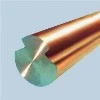
- CT-type oxygen-free copper contact wires: Characterized by high electrical conductivity and high strength, offering a long service life.